Think about the various apps you download on your smartphone. The ones you go to each day without even noticing the cycle triggers and your thumb knows where to go. The effortless and natural interaction lies an abundance of human psychology and deeply technical engineering. Modern users have no tolerance for digital friction. If the mobile’s screen is sluggish for just a fraction of one second or takes a long time to load data, or fails to display an alert, it is deleted in a matter of minutes. For founders with a lot of money and growing enterprise teams the stakes couldn’t be higher. It requires more than a beautiful page or a smooth surface to introduce a digital product. It requires a strategic relationship with a reputable mobile app development firm that is able to engineer for humans’ retention from the very beginning of the production.
Becoming familiar with the Constantly changing Ecosystem Rules
Mobile engineering is more complicated than traditional web development as you’re basically working on shifting sand. Apple introduces a new version of its operating system each autumn. The new version includes more stringent privacy guidelines, the end of outdated code, as well as modifications to app store reviews protocols. Google follows a complex timeline. The notification system is constantly evolving and background processing is constantly updated. Your product may break when your team isn’t focussed on the ever-changing guidelines. This can lead to poor reviews and broken features. This is why it is imperative that businesses should seek out mobile app developers who view their tasks as a continuous, ongoing lifecycle, rather than just an coding sprint. The job is a continuous release engineering process and ensuring that automated shipping pipelines are active and secure through every operating system shift.
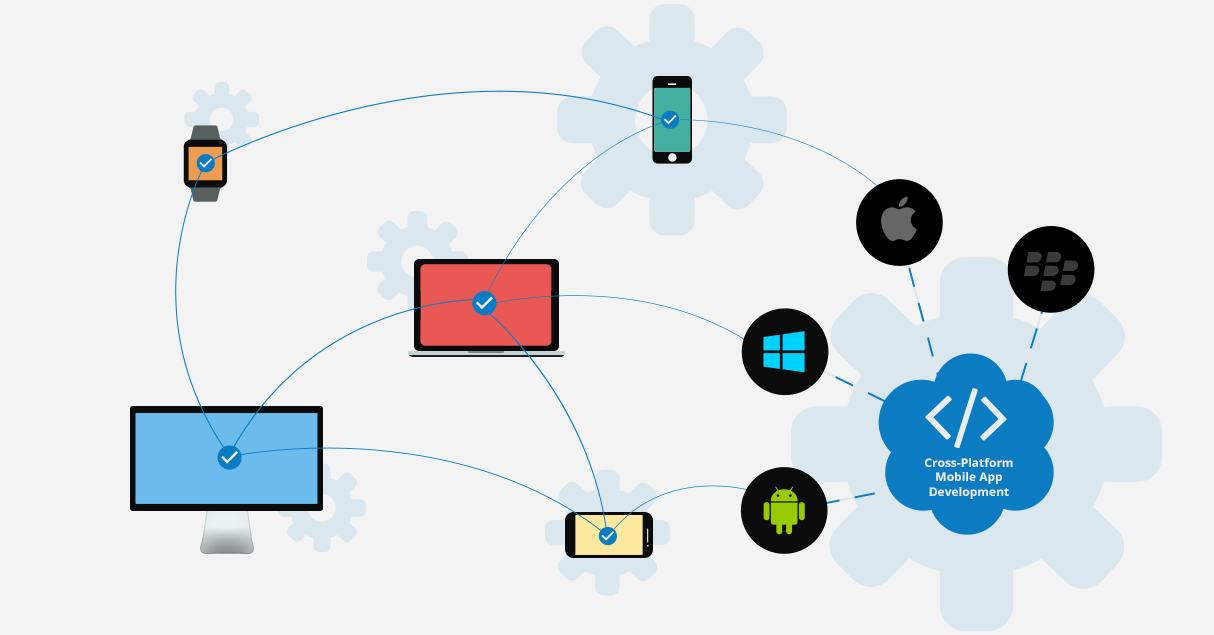
The Native Experiences at the Crossroads
In the process of creating a brand-new mobile roadmap, product creators always come to a crucial moment in their development: determining how code interacts with physical hardware. Choosing dedicated iOS app development tools gives teams full, uncompromising access to the most recent Apple native frameworks, which allow for butter-smooth animations and deep ties to specialized features like HealthKit or biometric security. Investing in Android app development guarantees that your application can be able to work with the vast array of screen sizes and processor capacities across the global market. Native architectures are a great option when your business relies on a significant amount of devices for access. For instance, you can interact with Bluetooth accessories that have low latency, tracking exact real-time locations or providing smooth checkout flow using native billing.
Cross-Platform Engineering: Speeding up the production time
Many fast-growing companies competition and funding pressures make it difficult to launch apps across two separate operating systems simultaneously could put a huge strain on resources. A cross-platform strategy enables developers to build, test and maintain a codebase that runs on both platforms. This hybrid strategy allows companies to get real-world feedback from their users at a cost that is minimal. It also reduces the traditional launch timeline by months. By choosing a specialized Flutter app development company, brands can build highly stylized, pixel-perfect interfaces that maintain absolute visual consistency across different devices. If backed by a solid foundation of automated testing and solid background data syncing, this cross-platform approach provides the ideal balance of speedy market entry and efficient execution.
Designing a Sustainable Long-Term User Engagement
The success of mobile launches is evaluated by the longer-term behaviours of customers, not simply short-term spikes in downloads. The most effective mobile architecture integrates key behavioral triggers right into the tech stack and ensures that onboarding flows are able to deliver value within the first sixty seconds, that local data caches smoothly during unexpected drops on cellular and that notifications systems adhere to the users’ focus. It doesn’t matter if your team wants to build an initial prototype which can be delivered quickly to prove its marketability or is working on a larger enterprise system that is governed by strict standards for data conformity but the emphasis on the core remains the same. Digital Heroes will help you build a strong digital asset by committing to an engineering rhythm that is structured and predictable, all while respecting your users’ time and device performance.