Buyers of used UTV tracks often think they’ve found a bargain, only to learn that the mounting hardware doesn’t fit their machine. Suddenly, the money you saved on the purchase is going toward adapters, replacement wheels, and parts you didn’t know were missing.
That doesn’t mean buying used is a bad idea. A track system that has been properly maintained can be an excellent value. The trick is to know, before you commit, which details deserve your attention.
Whether you’re comparing new UTV snow tracks or evaluating a secondhand set, the smartest purchase starts with your vehicle and the conditions you expect to encounter.
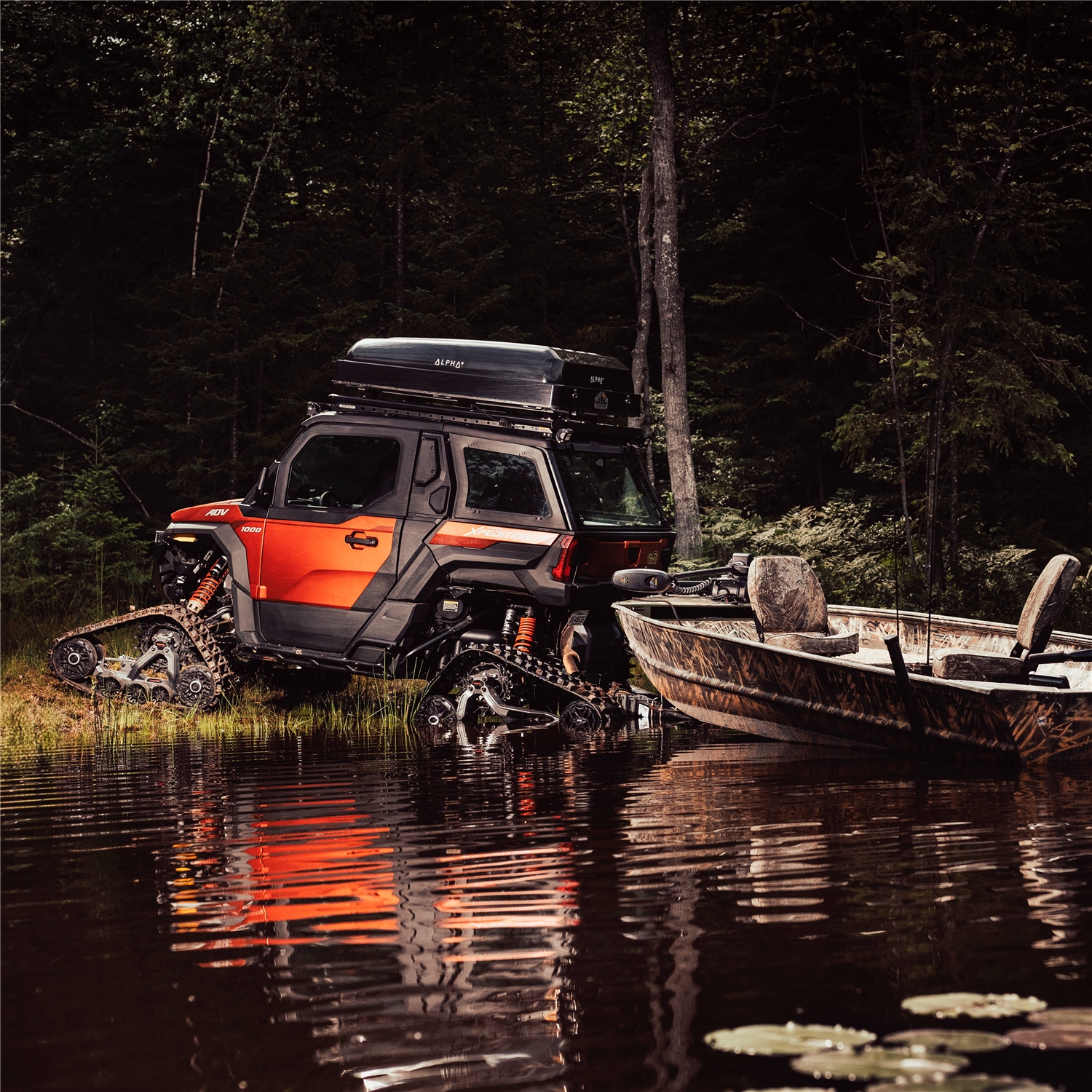
A Quality Set of Tracks May Still Not Fit Your Machine
Similar engines don’t mean similar mounting requirements; two side-by-sides can differ completely. The manufacturer, model, year, and specific installation components all play a part in track compatibility. Before a set from one UTV can be installed on another, it may need a different adapter kit.
This is particularly important when shopping for UTV tracks for sale through private sellers. Ask for the original machine’s information, the track system’s model number, and a complete inventory of the included hardware. Missing anti-rotation brackets, spacers, or mounting components can turn an inexpensive purchase into a frustrating project.
What to Look for When Checking Used Tracks
Looking at the rubber alone won’t tell you everything. Inspect the tread lugs for uneven wear, cracking, or missing sections. Take a close look at the guide surfaces, and see whether the track has been rubbing against nearby components.
The wheels should turn smoothly, with no obvious looseness or grinding. Pay attention to damaged bearings, worn sprockets, and bent hardware. If possible, ask how the tracks were used.
A set used mostly on snowy fields will probably show different wear than one that was regularly driven over gravel roads.
The Brand Is Important, but the Condition Is Decisive
People turn to Camso UTV tracks for snow flotation, traction, and demanding off-road conditions. Their vehicle-specific mounting arrangements make correct identification important when buying used.
Kimpex UTV tracks , including Commander systems, also serve riders who need improved mobility through seasonal terrain. Neither brand deserves to be chosen on name alone.
Whether the model is right, how much component life is left, and whether you can get replacement parts all matter more than an attractive listing price. A newer-looking set built for a different workload can be a worse buy than a well-maintained system that suits your UTV.
Mud Is Not Snow: Different Conditions, Different Demands
In deep snow, flotation pays off. A larger contact area spreads vehicle weight out and helps reduce sinking. Mud brings its own problems, such as ground firmness that keeps changing, debris building up, and more resistance.
Which conditions dominate your riding season? Ask that before choosing UTV tracks for snow and mud. Load capability may matter most to a rancher moving feed through winter fields. A hunter working muddy access trails may care most about maneuverability and reliable traction. Even with tracks improving access, getting stuck remains a possibility.
Think About the Cost of Ownership
Expect a track system to slow your travel, add rolling resistance, and need more maintenance attention than tires do. To protect the investment, keep up with tension, alignment, bearing inspections, and cleaning.
Before purchasing, also consider fuel consumption, installation time, and the cost of seasonal changeovers.
ATVTracks.net offers Camso and Kimpex track systems, replacement components, and fitment assistance for buyers comparing options.
Evaluate the Deal by More Than Price
A better question than whether a used track system is cheap is whether it is complete, compatible, serviceable, and appropriate for your terrain. Know the total cost before you buy: the system, the necessary transfer hardware, and any repairs.
Real bargains work reliably on your machine; they aren’t simply the track systems with the lowest advertised price.