The color can be just what the buyer wanted, but wearing the unit for hours exposes a problem with cap comfort. Another appreciates the natural-looking hairline but doesn’t want to spend twenty minutes adjusting the lace every morning. A third customer purchases an otherwise beautiful wig and discovers that its density feels surprisingly heavy.
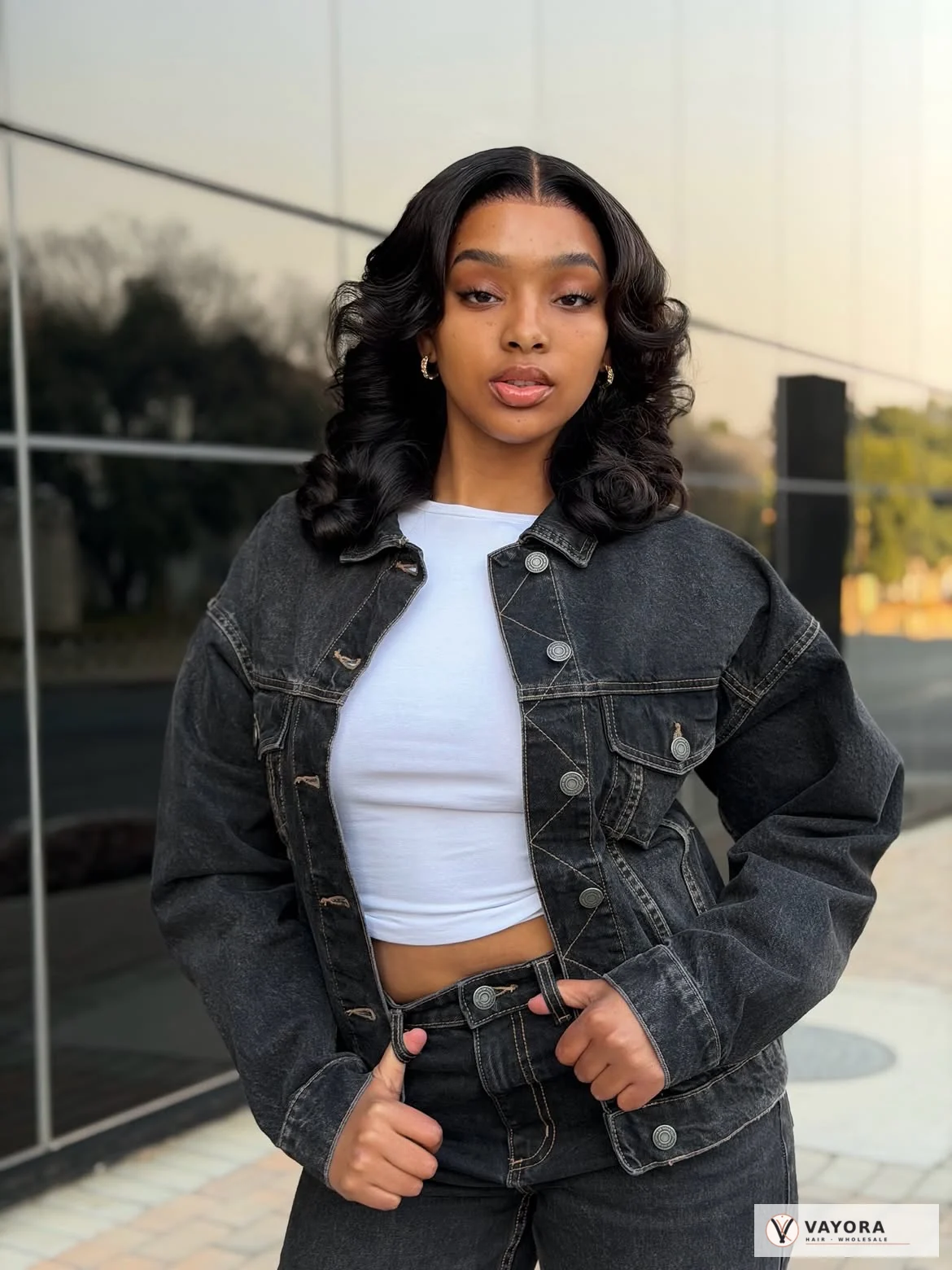
Image credit: vayorahair.com
There is more value in these comments than a wig company might initially see. They identify opportunities to create wigs customers genuinely like to wear.
Successful wig collections aren’t necessarily built around the latest viral hairstyle. The foundation is a practical understanding of the wearing experience that buyers value.
Listen to the Problems Behind the Purchase
When wearers explain their needs, they generally do not speak in factory terminology. Comfort during wear, ease of use, how it looks and how confident the wearer feels are what customers describe. The desire to spend less effort getting ready may indicate a need for a glueless design. Complaints about an unnatural hairline could indicate that lace appearance, knot treatment, density, or parting design needs attention.
When selecting a human hair wig manufacturer China brands should look for the ability to interpret ordinary customer concerns and express them as measurable product specifications.
A 22-inch body-wave description need not define the entire order. Buyers can also specify the intended wearing experience, cap fit, lace construction, hairline appearance, and finished weight. That level of detail gives the development team a clearer target.
Make Your Private Label Collection Recognizable
Popular products often become the entire basis for a developing wig brand’s catalog, which can be a mistake. Such an approach can leave the brand with a catalog that looks strikingly like competitors’ offerings.
A collaborative relationship with a private label wig manufacturer China retailers choose can help a brand shape a more unified product identity. A brand could focus on lightweight daily-wear wigs, premium natural-hairline designs, or ready-to-wear styles for customers who favor a simpler preparation routine. To keep the collection cohesive, align texture, length, color, density, cap construction, and packaging with one customer promise. Rather than relying solely on limited-time savings, a recognizable collection offers shoppers another reason to return.
Glueless Wigs Involve More Than a Label
Although the word “glueless” sounds straightforward, the experience of wearing the wig depends on a range of construction details. To understand fit, consider cap sizing and adjustment features, attachment components, lace preparation, and hairline design. All influence comfort and security.
A glueless wig manufacturer China buyers choose should help clarify these requirements before production begins. An easy-to-manage density, pre-cut lace, and simple adjustment features may be particularly important when the intended customers are first-time wig wearers. A professional stylist’s collection might require different customization options. It would be a mistake to assume that either choice is necessarily superior. The two approaches address the needs of different customers.
Sample Review and Brand Reputation
A photograph cannot reveal everything a buyer needs to know. A buyer should assess how the cap fits and the hair moves, check the color against expectations, and verify whether the finished construction matches the approved design. Sampling provides an opportunity to identify differences before placing a larger order.
For a wholesale human hair wigs supplier, documented specifications and quality-control procedures are especially important when the same style must be produced repeatedly. Without clear references, a successful first batch may be difficult to reproduce consistently.
Create a Wig Collection With Room to Grow
Through product development, private label services, sampling, specification control, and repeat-production workflows, VAYORA assists B2B wig brands, retailers, and distributors. Its approach connects customer expectations with the physical details that determine how a wig looks, fits, and feels.
A catalog expansion should follow a close examination of customer feedback, identification of the strongest product opportunities, and establishment of clear approval standards. The next successful collection may not require more styles. It may require fewer compromises in the styles customers already want.