A park restroom can look like a tiny piece of a massive public undertaking. Landscape engineers, architects and contractors might be involved in the building of a single building.
Every transition raises a simple, but crucial problem.
Who’s responsible for ensuring the correct connection of one stage to the one that follows?
If park managers or project teams are discussing park restroom designers, this question can reveal more than just taking a look at the collection of completed structures.
Watch for Handoffs
Imagine a bathroom that is already conceptually planned. The dimensions are accurate and the design of the exterior has been chosen and everyone likes it.
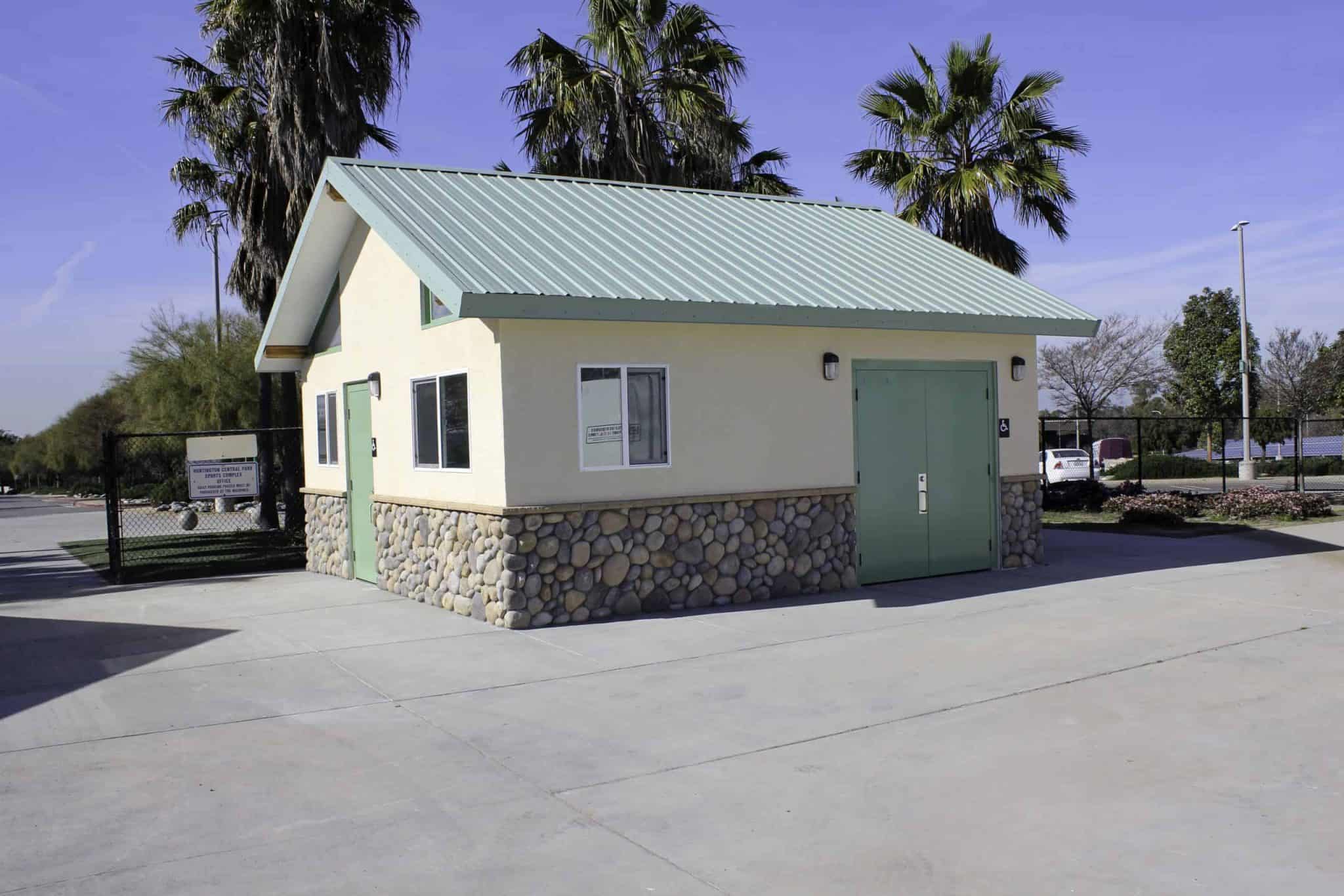
Image credit: romtec.com
Then engineering begins. A required change affects the layout. The adjustment impacts a component specification which impacts procurement. The contractor later discovers that the design assumptions don’t match the actual product.
None of these issues necessarily mean that someone made an error of a serious nature. They highlight how difficult coordination can be when responsibilities are divided among different parties.
It is important to look at more than just the originality of a candidate when evaluating the best park design contestant. Knowing codes, components, engineering specifications, documentation construction reality, and accessibility requirements could help make design decisions that are connected to what will ultimately be built.
Make sure you read the proposal in its entirety.
Two different proposals for seemingly identical buildings could have different scopes.
One option could be a complete building. The second option could be assistance with preliminary design renderings, drawings, sketches or plans that are engineered.
A comparison based solely on the price at the bottom could be misleading.
Romtec offers initial designs estimates, specifications, renderings and drawings at no cost upfront. After the acceptance of the concept, the process is moved forward to submittals that are complete.
That provides designers and owners with teams a clearer way of getting from an idea to an erected structure.
You Need to Get Your Custom Orders In Time.
Public projects seldom exist in the same conditions.
A community might want fixtures and materials that are green. A different community may have an architectural style. Landscape architects may require unique colors or even sidings to visually link the restroom to other structures in the park.
These decisions have a greater impact than the appearance. They can affect components, documentation procurement, engineering and construction.
If you can address specific requirements in the beginning it gives the team an opportunity to integrate them instead of having to make retrofits after major decisions have been made.
Construction Knowledge Can Change the Design Conversation
The best park restroom builder for a particular project should understand that a drawing eventually has to become a physical structure.
Romtec is a firm which designs, fabricates and products and constructions to be used by the public. It offers turnkey installation or building kits that can be included in larger construction projects.
That design-to-construction experience creates a practical perspective: decisions made at a desk eventually have consequences on a jobsite.
Not only evaluate the destination only, but also the journey
The bathroom’s design doesn’t reveal all the planning that went into it before the opening.
Visitors can view the building. Visitors can look around the building. Project teams are involved in every decision that leads towards construction, including estimates, design, documentation engineering and approvals.
It’s the reason picking a partner with whom to build the park shouldn’t begin and end with “Do we enjoy the structure?”
A more useful question is:
Do they have the capacity to help us in bringing our project we have in mind to reality?